

Mi-VAD is a new generation of cardiac support — designed to work with your heart, not replace it.
Explore


Mi-VAD is a new generation of cardiac support — designed to work with your heart, not replace it.


Your heart shouldn’t be replaced. It should be supported.
Mi-VAD begins with a simple belief: even if compromised with disease, the heart is remarkable, in that it continues to try and function against all the odds. Our job is to help it do what it is designed for.
So we created something that augments the heart with each heartbeat instead of working against it. It preserves the heart’s natural structure and adapts to your body in real time, rather than asking your body to adapt to it.
The HeartMate 3, with its apical cannulation and drive line exiting the abdominal wall (which is prone to infection), is not a solution for most of us. Add to this the cost and it becomes inaccessible for most patients. As medical professionals, we see complications related to the current technology on a daily basis.
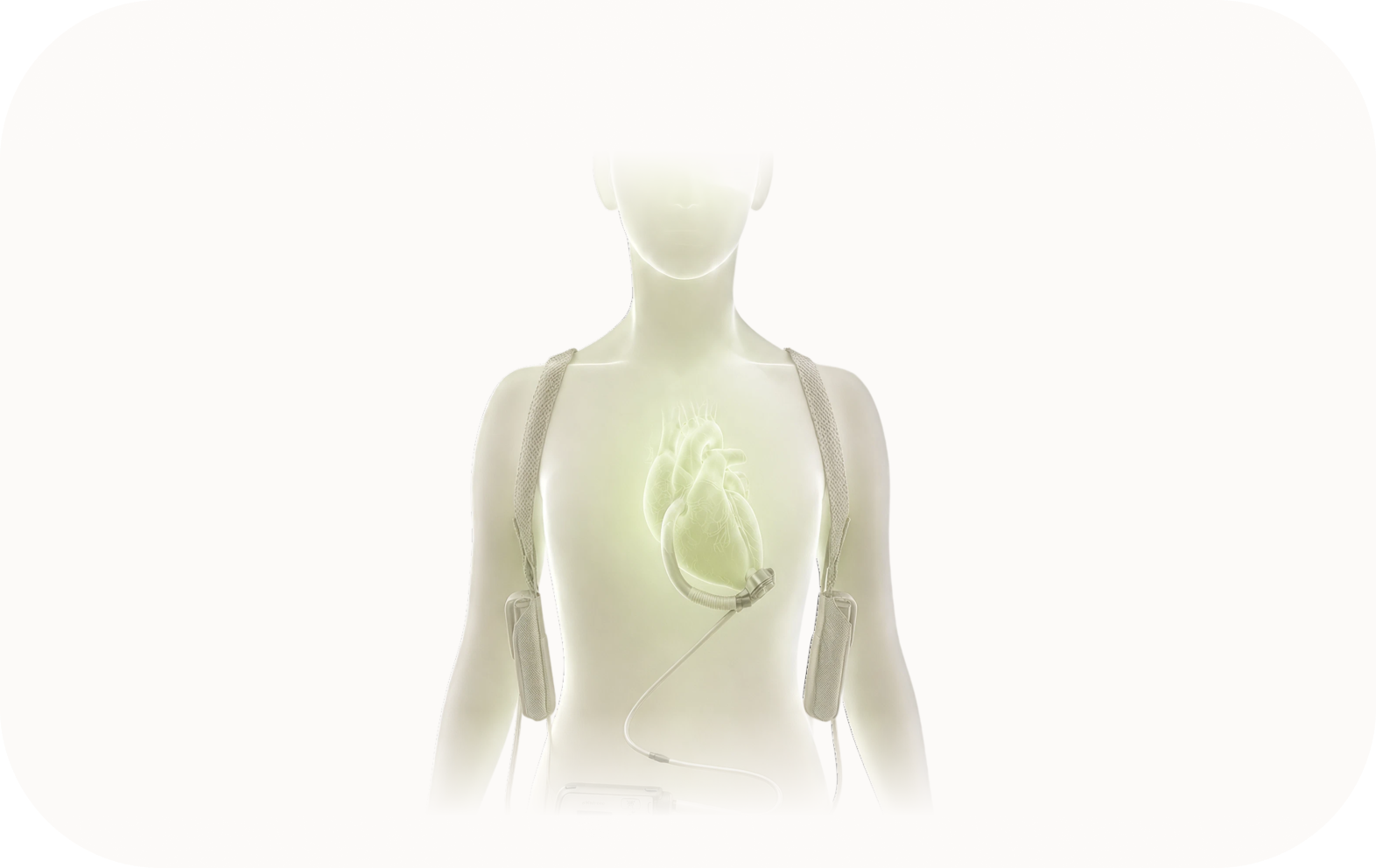
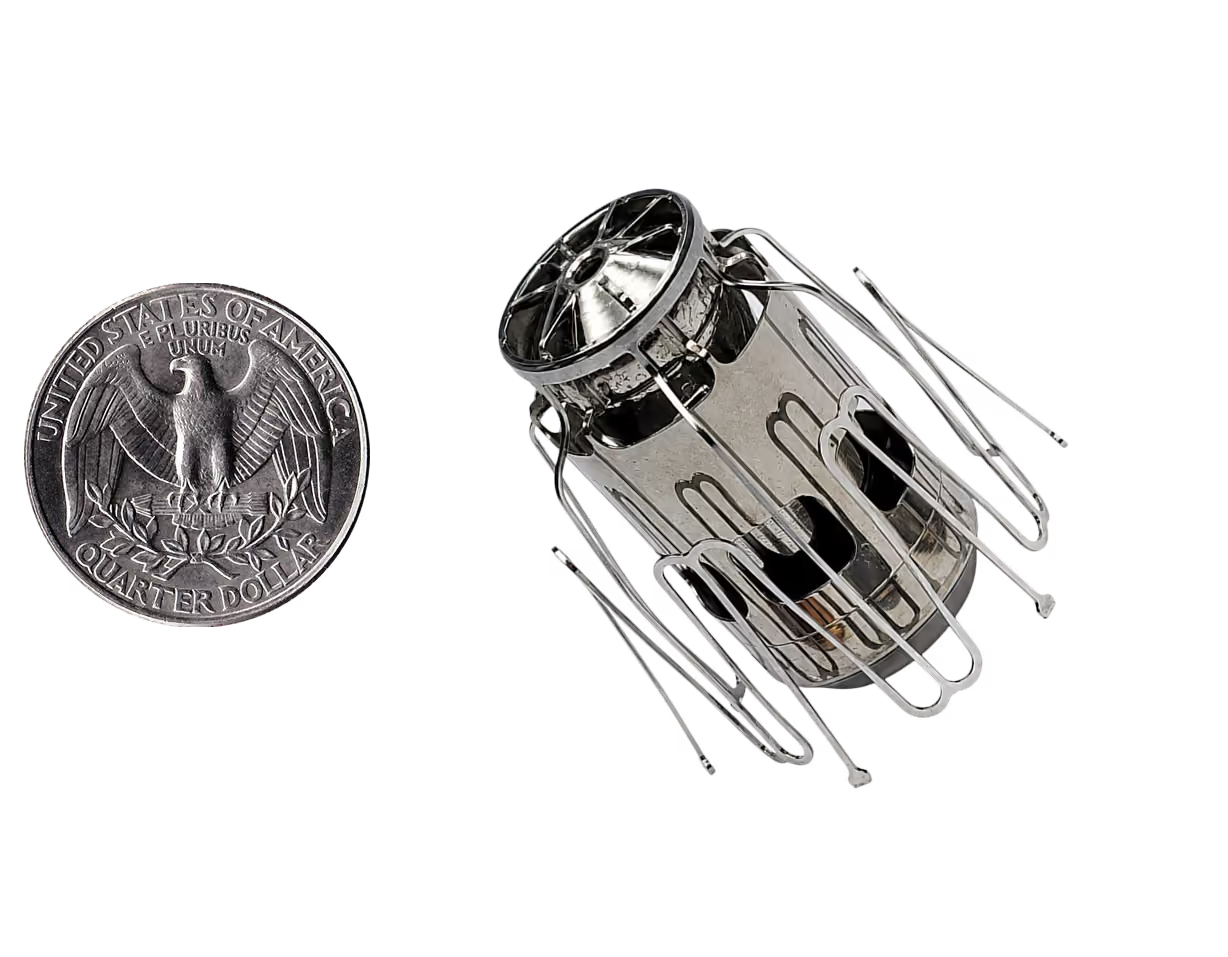
Built to feel less like a device. More like freedom.

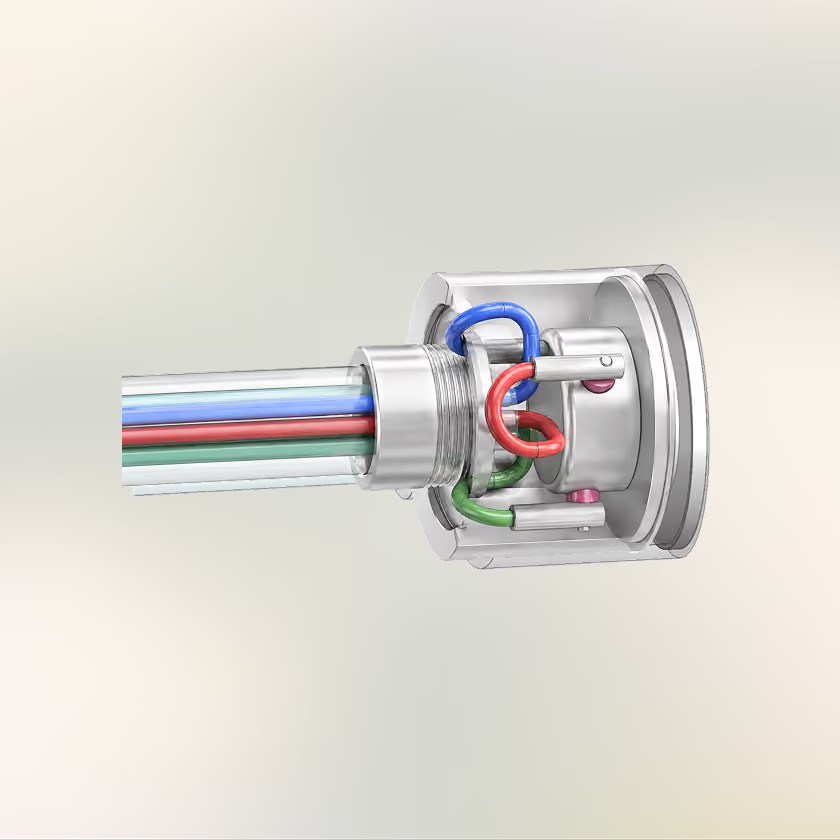
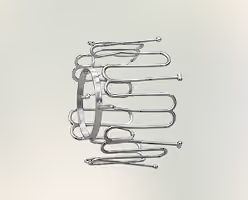
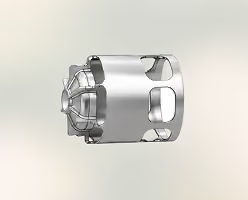
Works with your natural rhythm, not against it



Mi-VAD's technology is built on a portfolio of granted patents worldwide — including a third US patent awarded in 2026 — covering natural flow support, less disruptive implant design, pulsatile physiologic function, and a scalable platform for multiple heart conditions.

It's recognition that the idea works. And it's a foundation for what comes next – a disruptive technology that will change the field for the better
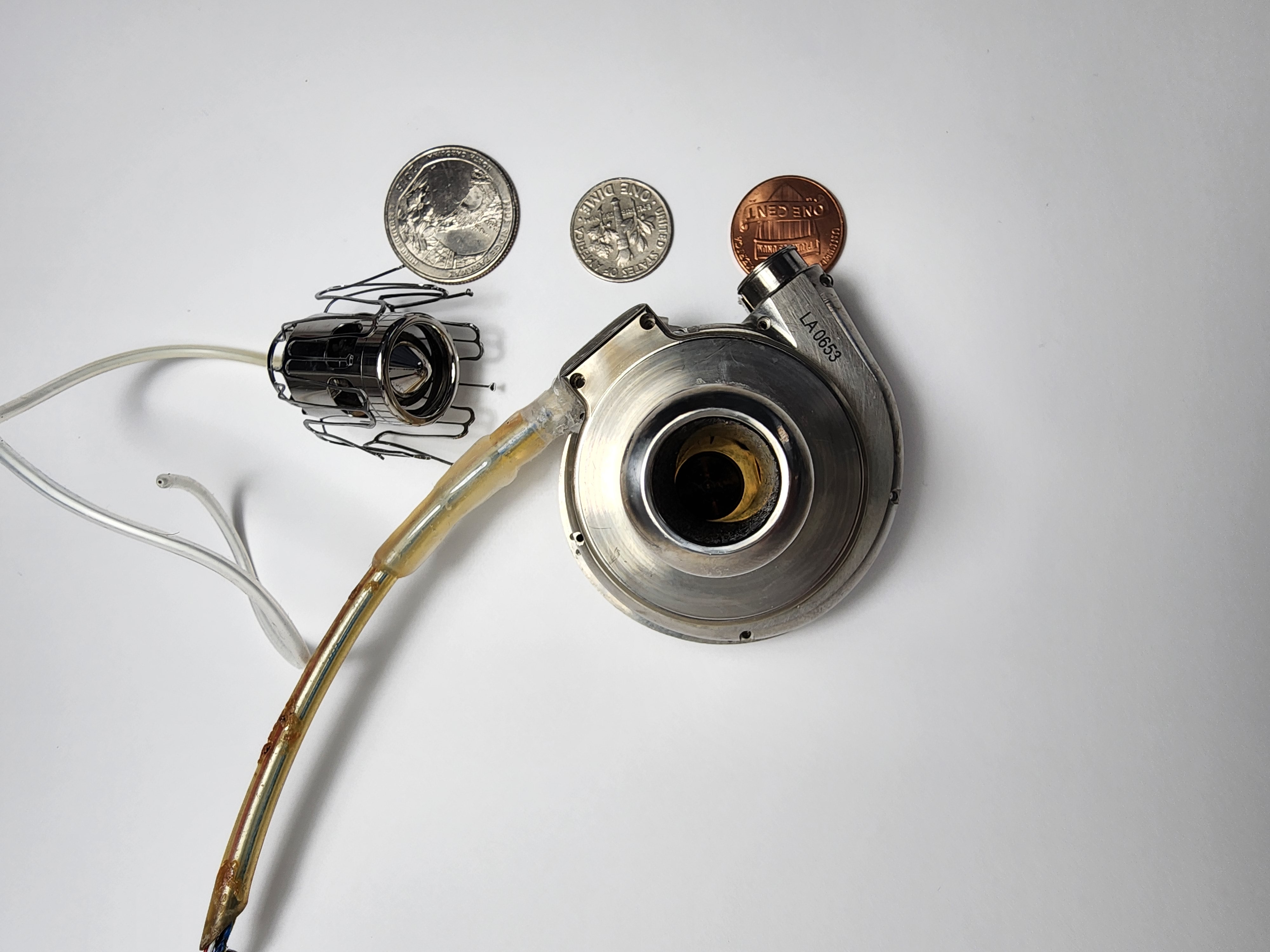
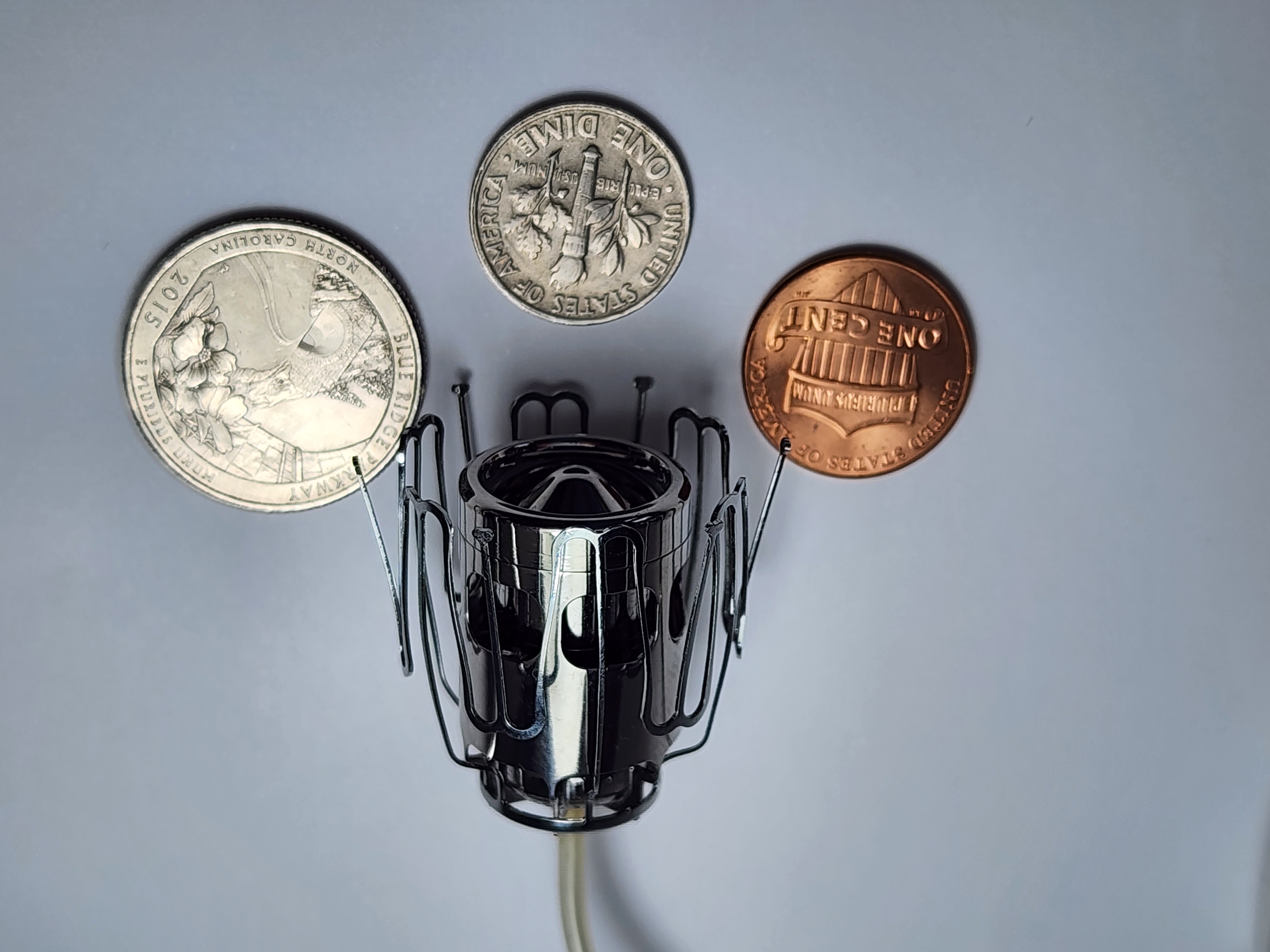

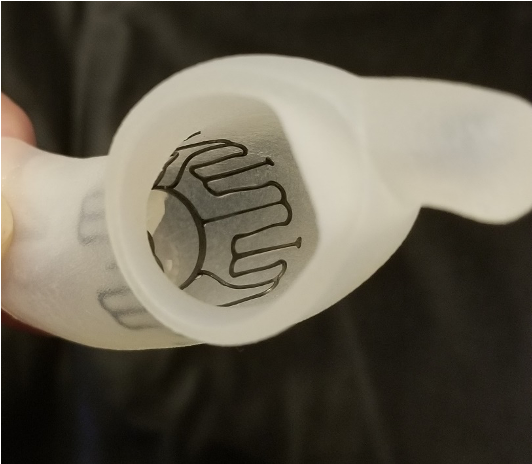
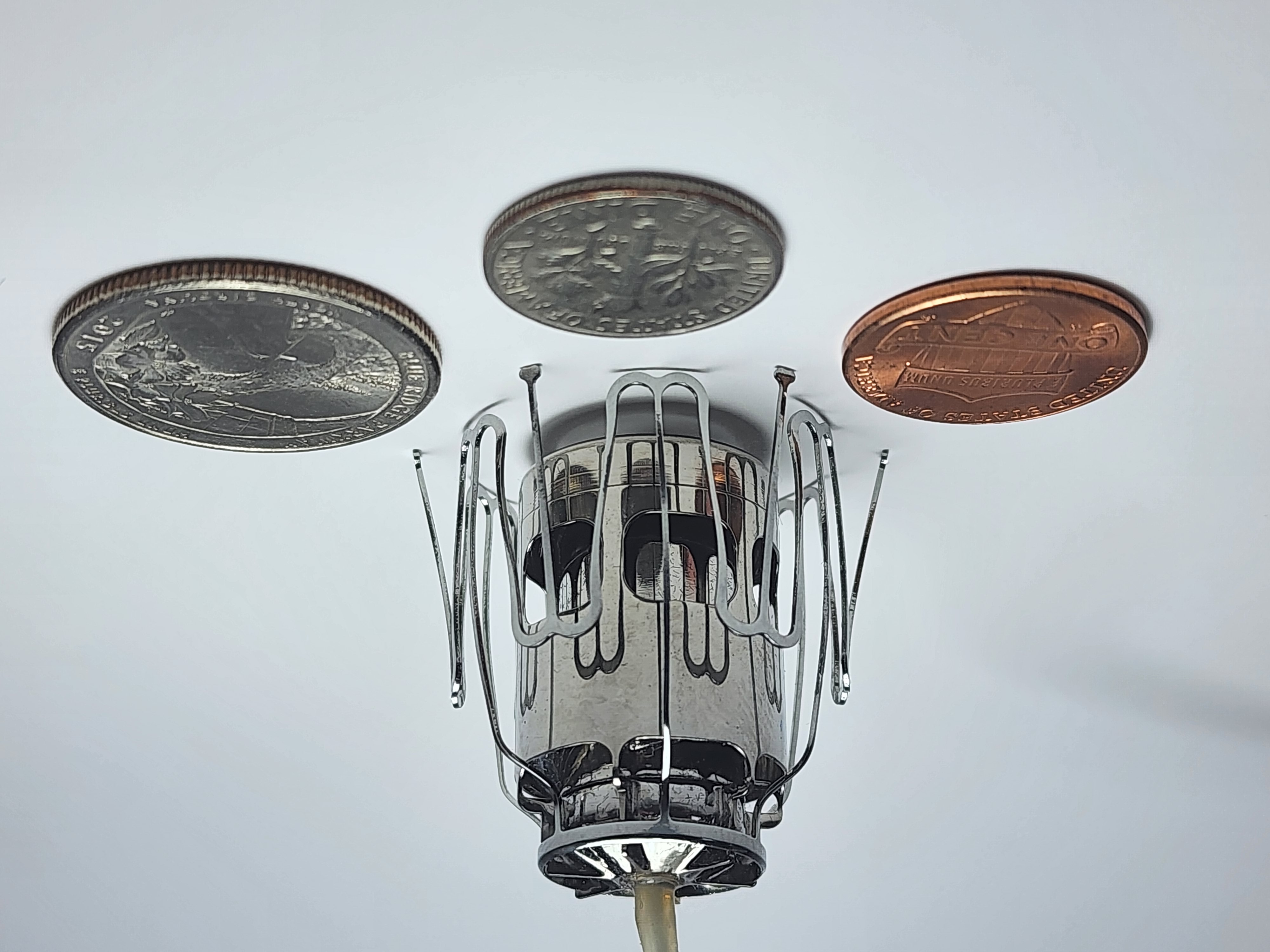


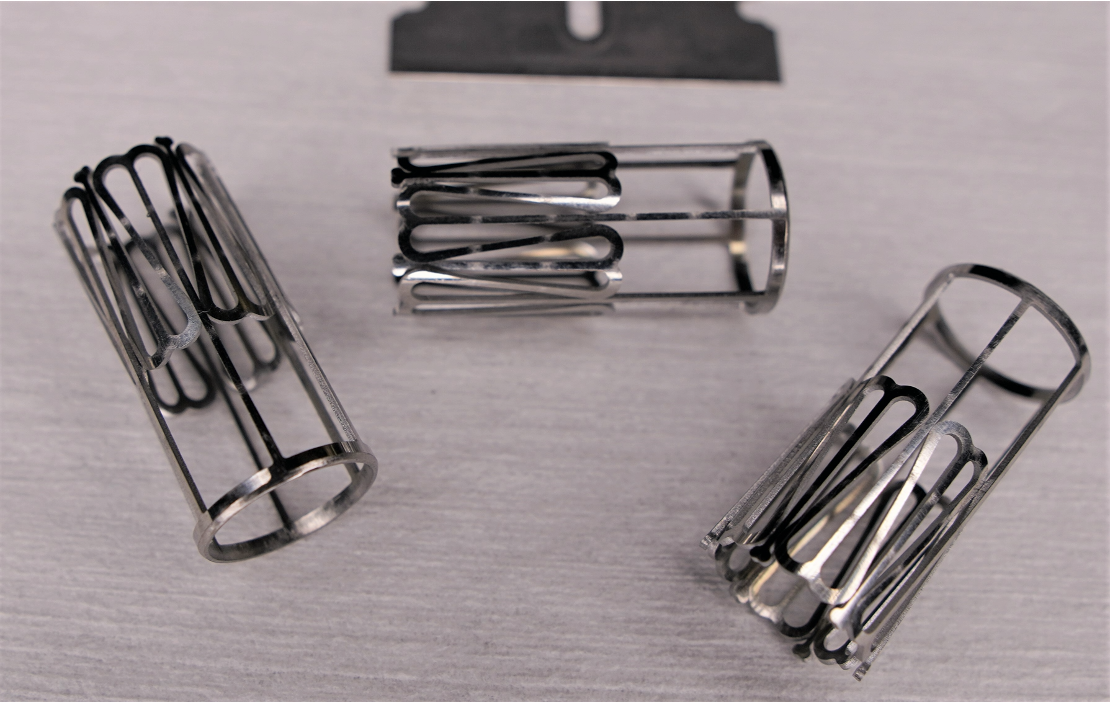
Mi-VAD is built by people who have spent their careers at the front line of heart care — surgeons who’ve performed transplants, engineers who’ve built implantable devices, clinicians who’ve sat with patients on the hardest days.
Together, they bring more than 400 years of heart transplant and advanced heart failure experience to every decision.
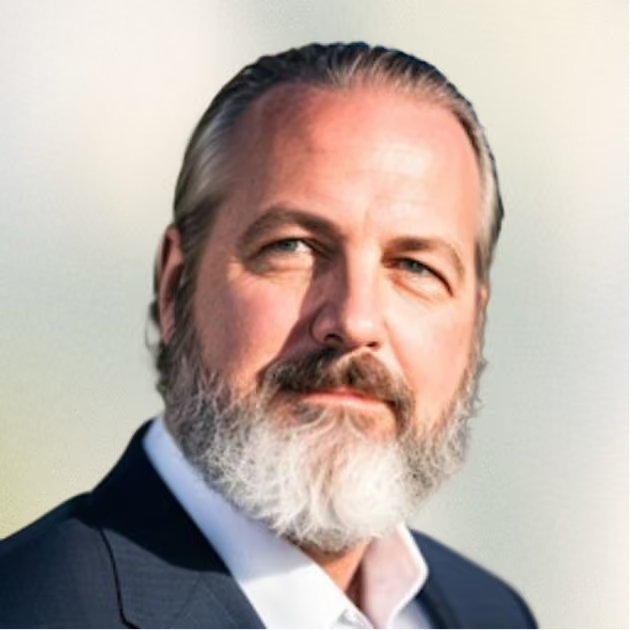
Our Founder/inventor Sudhir Kushwaha is an Internationally recognized leader in the field – Most recently he ran the Cardiac Transplant and Mechanical Circulatory Support Program at Mayo Clinic, He was mentored by one of the world’s most prominent and famous heart surgeons, Professor Sir Magdi Yacoub.
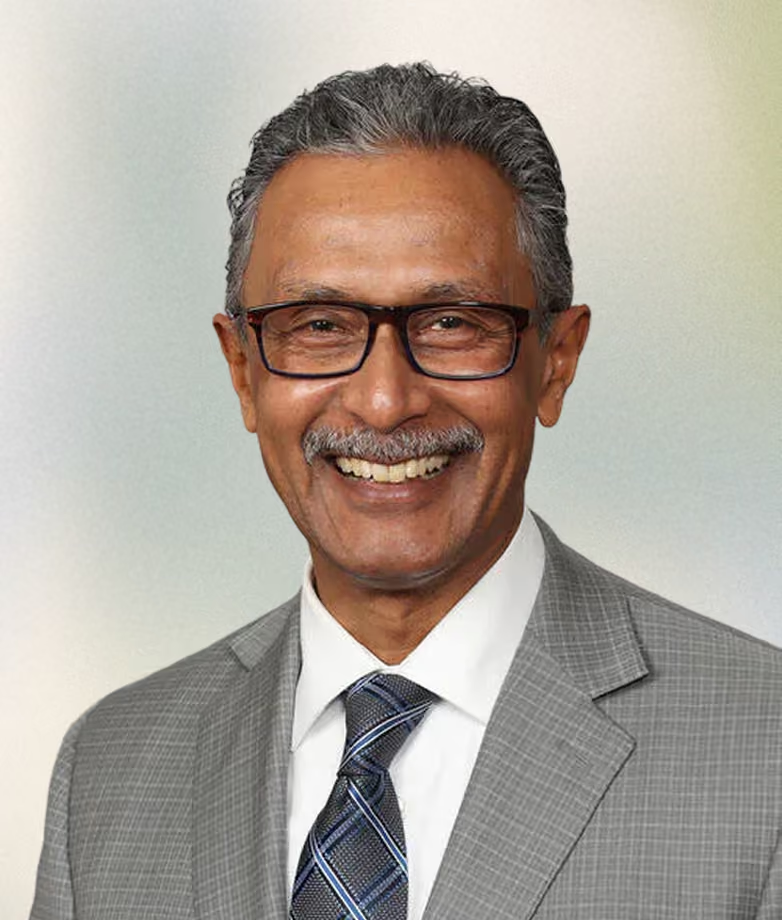
Sudhir serves as the Medical Director of Cardiac Transplant and Director of The Mechanical Circulatory Support Program at the Mayo Clinic, Rochester, Minnesota. Sudhir is a world-renowned specialist in the field of circulatory failure, cardiac transplantation and mechanical circulatory support with over 35 years experience. Outside of medicine, he is also a 5th Dan black belt in karate.

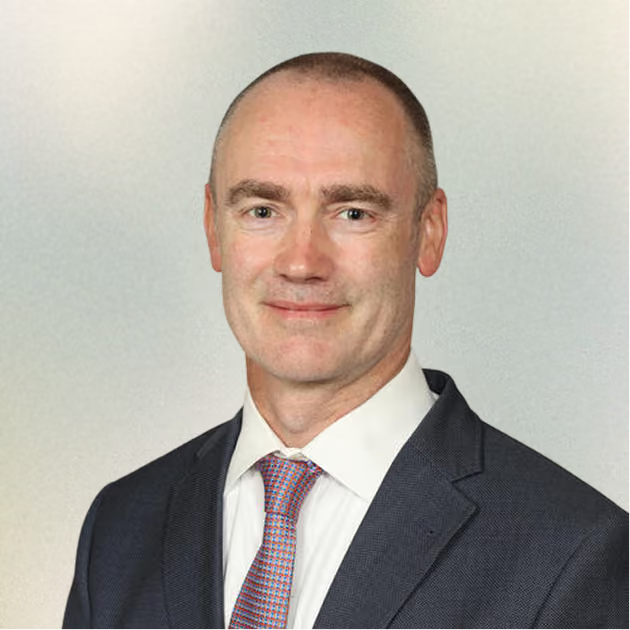
Paul brings more than 35 years of experience as a corporate finance lawyer, merchant banker, and corporate development executive. He has led complex international M&A and corporate finance transactions while working closely with founders, boards, venture capital, and investment banking groups.
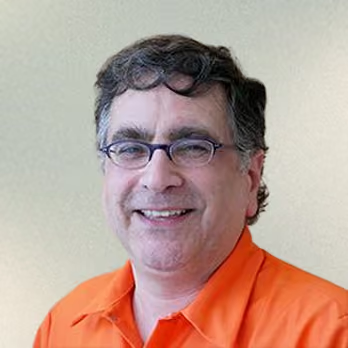
James is the Lowell and Susan McAdam Professor of Heart Assist Technology in the Department of Biomedical Engineering at Cornell University and formerly served as Professor of Biomedical Engineering and Computer Science at Carnegie Mellon University.

Lyle is a world-renowned cardiothoracic surgeon with more than 40 years of experience specializing in heart transplantation and the surgical treatment of heart failure. He was part of the team that implanted the first permanent artificial heart in a human and was also the first surgeon to implant a total artificial heart in a woman.
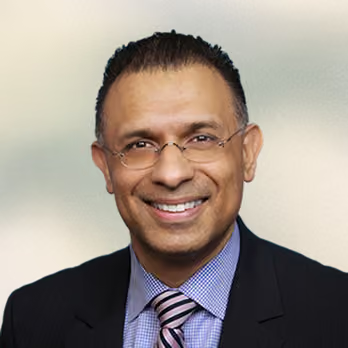
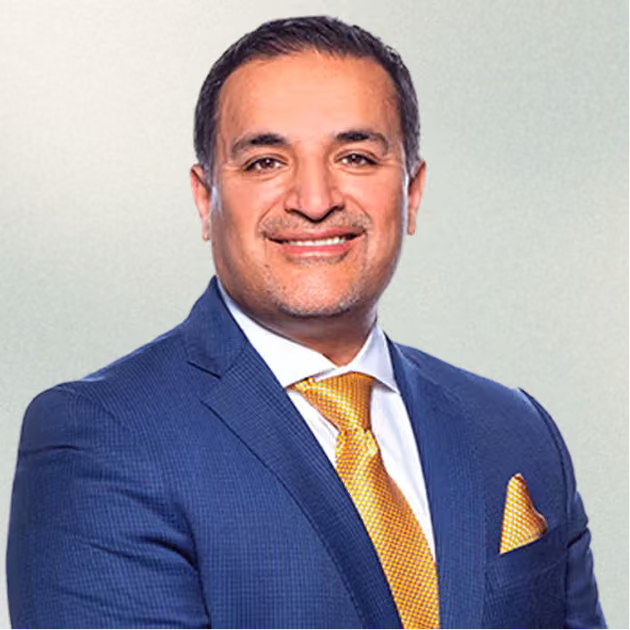
Zain is a leading cardiothoracic surgeon, researcher, and educator specializing in heart transplantation and mechanical circulatory support. He serves in multiple leadership roles at the University of Arizona and Banner University Medical Center and is recognized internationally for his innovative work in minimally invasive LVAD implantation and advanced heart failure therapies.



We’re working toward a future where people living with heart failure can move more freely, worry less, not have to think about cardiac support and spend more time on what they love.




Whether you’re a clinician, an investor, a future patient, or someone who simply believes this matters — there’s a place for you here.

Over the past few years, we have made significant progress across engineering, preclinical animal studies, and worldwide patent protection.
We are now entering the next phase of development and welcome conversations with investors who share our vision of bringing Mi-VAD to patients.

For further information please contact us directly.
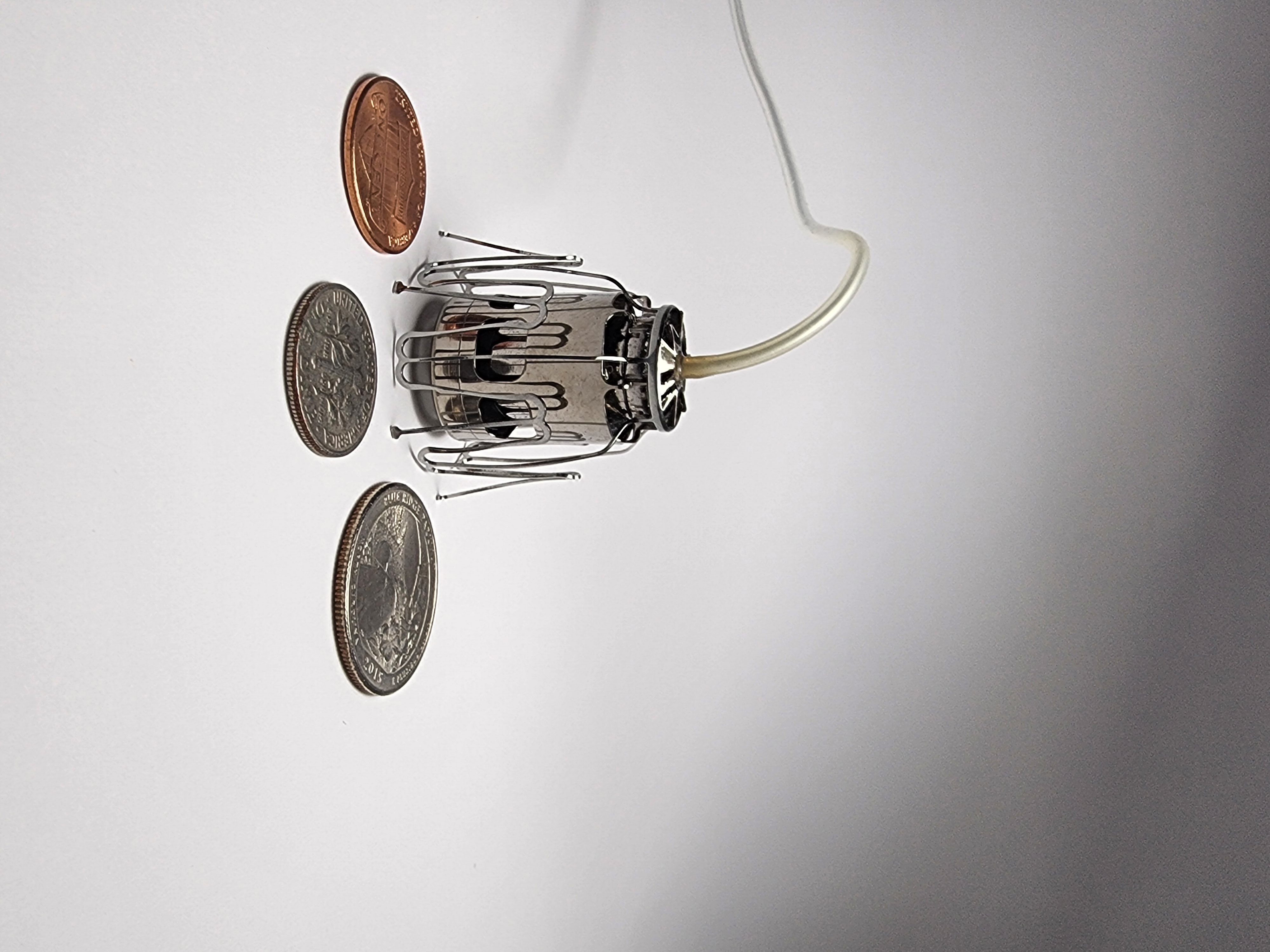
Mi-VAD is an investigational ventricular assist device designed to provide long-term mechanical circulatory support while preserving native cardiac structure and physiology.
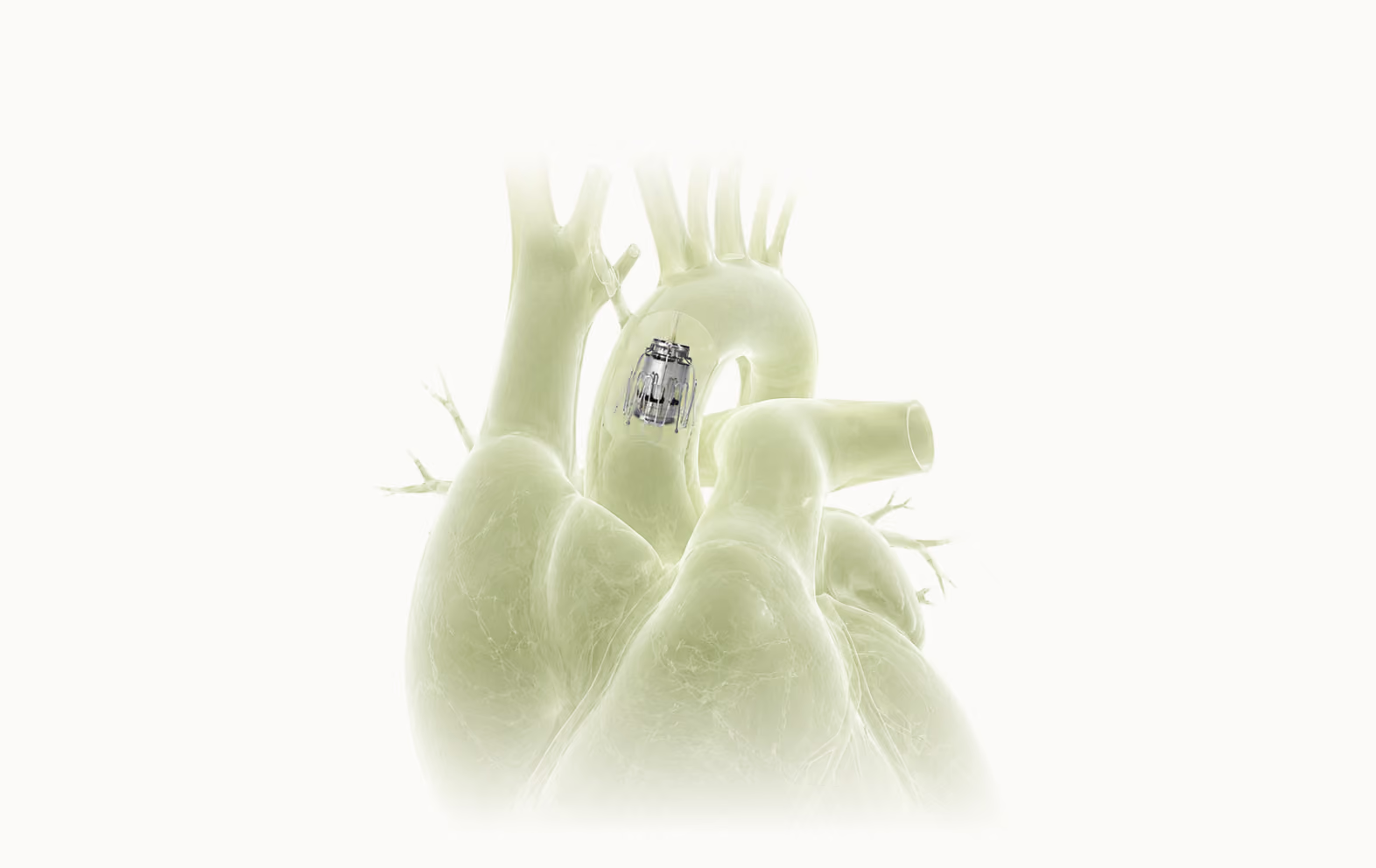
Mi-VAD is designed to avoid apical cannulation and ventricular coring by positioning the pump within the natural arterial flow path rather than bypassing the ventricle through a large inflow cannula.
Current durable LVADs save lives but remain associated with bleeding, infection, stroke, driveline complications, and lifestyle limitations. Mi-VAD seeks to reduce these burdens through a different architectural approach.
Mi-VAD is designed as a pulsatile, rhythm-synchronized support system rather than a fixed-speed continuous-flow bypass pump.
The pump is designed to coordinate support with the patient’s native cardiac cycle using ECG gating.
Pulsatile flow more closely resembles natural cardiovascular physiology and may help preserve vascular, valvular, and end-organ function.
Mi-VAD is designed to augment blood flow within the natural circulation pathway without requiring a large inflow cannula inserted deep into the left ventricle.
The platform is specifically designed to avoid apical coring and preserve ventricular structure and integrity.
The system is designed for placement within the ascending aorta for left-sided support and potentially within the pulmonary artery for right-sided support. It can also be placed in the descending aorta for left sided support.
Yes. The architecture is intended to support left-sided, right-sided, or potentially biventricular applications.